Who Runs U.S. Elections? Federal, State and Local Roles
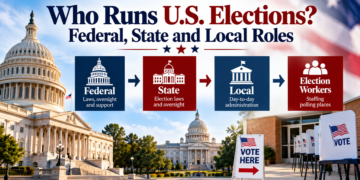
There is no single national authority that runs elections in the United States. Instead, election administration is decentralized across state...
Read moreDetails

There is no single national authority that runs elections in the United States. Instead, election administration is decentralized across state...
Read moreDetails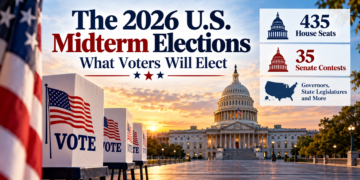
Last updated: September 25, 2026 On Tuesday, November 3, 2026, voters across the United States will elect members of Congress,...
Read moreDetails
The first U.S. presidential election looked very different from the elections Americans know today. There was no single nationwide Election...
Read moreDetails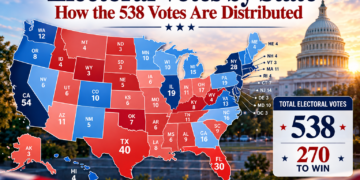
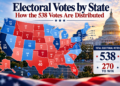
Every four years, the presidential election is decided through 538 electoral votes distributed among the 50 states and the District...
Read moreDetails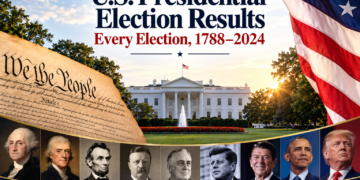
The United States has held 60 presidential elections from the first election of 1788–89 through 2024. Across that history, the...
Read moreDetails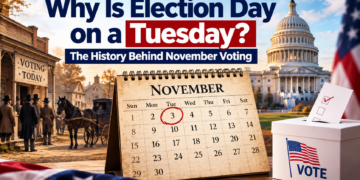
Every two years, Americans vote in federal general elections on a date that can sound unusually specific: the Tuesday after...
Read moreDetails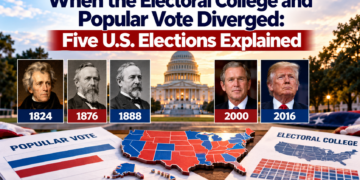
Americans vote for president every four years, but the presidency is not awarded to the candidate who simply receives the...
Read moreDetails
In the United States, candidates for many elected offices may face voters at more than one stage of the election...
Read moreDetails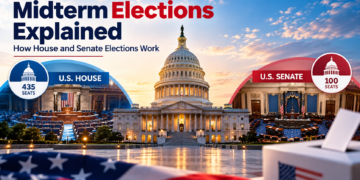
Every two years, Americans vote for members of the U.S. Congress. In some of those years, the presidency is on...
Read moreDetails
Updated: September 22, 2026Key legal and procedural sources last reviewed: September 22, 2026 Understanding how U.S. presidential elections work means...
Read moreDetails